- Solo online
- -5%
- Nuovo
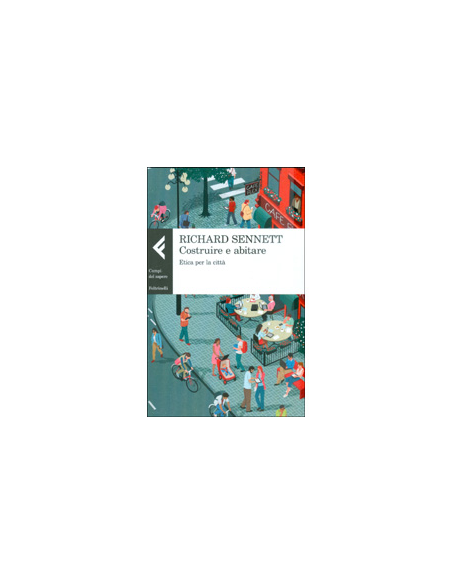
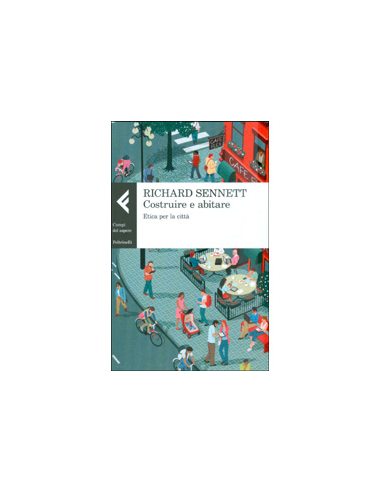
Costruire e Abitare
Etica per la città
Our privacy policy
Our Privacy Policy explains our principles when it comes to the collection, processing, and storage of your information. This policy specifically explains how we employ cookies, as well as the options you have to control them.
-
1 What are cookies?
Cookies are small pieces of data, stored in text files that are stored on your computer or other device when websites are loaded in a browser. They are widely used to "remember" you and your preferences, either for a single visit or for multiple repeat visits
-
2 How we use cookies
We use cookies for a number of different purposes. Some cookies are necessary for technical reasons; some enable a personalized experience for both visitors and registered users; and some allow the display of advertising from selected third party networks.
-
3 Controlling Cookies
Visitors may wish to restrict the use of cookies or completely prevent them from being set. If you disable cookies, please be aware that some of the features of our service may not function correctly
-
4 Information We Collect
We only collect information about you if we have a reason to do so-for example, to provide our services, to communicate with you, or to make our services better.
We are committed to maintaining the trust and confidence of our website visitors. We do not collect, sell, rent or trade email lists or any data with other companies and businesses. Have a look at our Privacy Policy page to read detail information on when and why we collect your personal information, how we use it, the limited conditions under which we may disclose it to others and how we keep it secure.
We may change Cookies and Privacy policy from time to time. This policy is effective from 24th May 2018.
E oggi la maggior parte della popolazione mondiale abita in città. In uno studio urbanistico che chiude la trilogia dell’Homo faber nella società, dopo L’uomo artigiano e Insieme, Richard Sennett mostra come Parigi, Barcellona e New York hanno assunto la loro forma moderna e ci guida nei luoghi che sono l’emblema della contemporaneità, dalle periferie di Medellín in Colombia al quartier generale di Google a Manhattan.
E denuncia la diffusione globale della “città chiusa” – segregata, irreggimentata e sottoposta a un controllo antidemocratico –, che dal Nord del mondo ha conquistato il Sud del mondo e i suoi agglomerati urbani in mostruosa espansione.
Secondo Sennett, esiste un altro modo di costruire e abitare le città. Nella “città aperta” i cittadini mettono in gioco attivamente le proprie differenze e creano un’interazione virtuosa con le forme urbane.
Per costruire e abitare questa città, occorre “praticare un certo tipo di modestia: vivere uno tra molti, coinvolto in un mondo che non rispecchia soltanto se stesso.
Vivere uno tra molti, nelle parole di Robert Venturi, permette ‘la ricchezza di significati anziché la chiarezza di significato’. Questa è l’etica della città aperta”.
- Autore
- Richard Sennett
- Editore
- Feltrinelli
- Voto