La saggezza e il misticismo dell'Oriente ci riguardano da vicino... hanno la funzione di ricordarci che anche noi, nella nostra cultura, possediamo qualcosa di simile, ormai dimenticato, e hanno il compito di dirigere la nostra attenzione al destino dell'uomo interiore. (C.G. JUNG "Riflessioni teoriche sull' essenza della psiche")
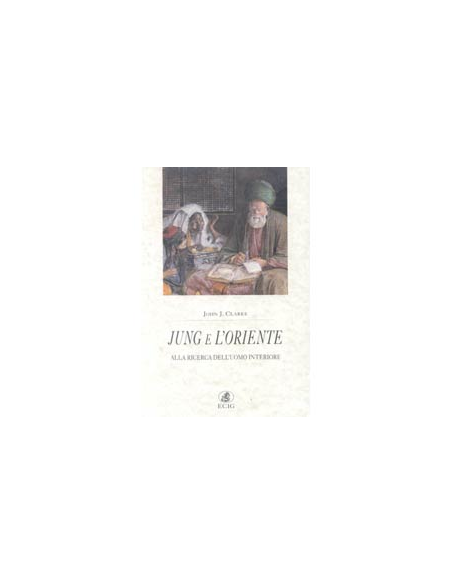
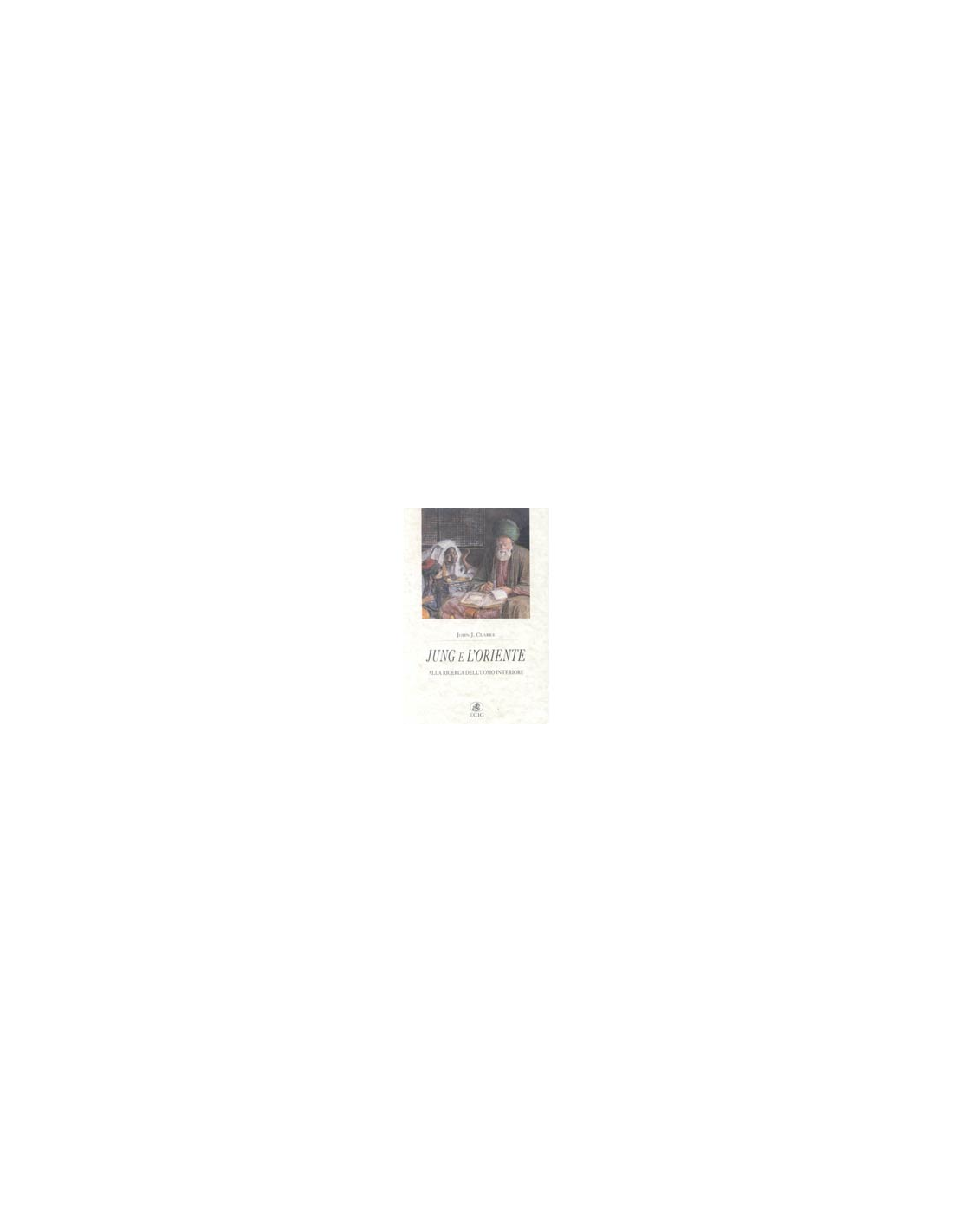
Né solitario impavido pioniere, né mistico ermeneuta, Carl Gustav Jung raccolse, agli albori del secolo, la difficile e contrastata eredità del montante e ambivalente confronto con il pensiero dell'Oriente: allievo di Schopenhauer e Nietzsche, eretico discepolo di Freud, egli tentò di rintracciare il sostrato mentale di un'umanità per essenza indivisa, avvalendosi delle immagini e dell'esperienza psichica e letteraria delle fonti orientali. Conscio, assai più della torma degli epigoni filosofanti e faciloni, di non poter "trascendere" le proprie radici storiche e culturali, ma altresì dell'improrogabile necessità del dialogo aperto e rigoroso con l'Oriente, Jung non volle mai riconoscersi in un "sistema" (proprio o altrui), o concepire la propria visione come "definitiva", bensì studiare e proporre una prospettiva altra, che fungesse da specchio critico al radicale dualismo occidentale, rifuggendo da facili scorciatoie verso un illusorio mondo "senza macchia e odoroso di sandalo" (Hillman).
Di questo tentativo coraggioso, attuato nel momento in cui l'opinione pubblica occidentale sfoggiava l'orgogliosa sicumera di una pericolosa quanto infondata supremazia culturale, John J. Clarke compie un'analisi fine e articolata, mettendone in luce le matrici storiche e le premesse filosofiche allo scopo di restituire all'esegesi junghiana i caratteri epistemologici suoi propri, nonché il sapore iconoclasta delle "vaste alternative ... che attendono di travolgere le nostre piccole tradizioni" (Mehta).