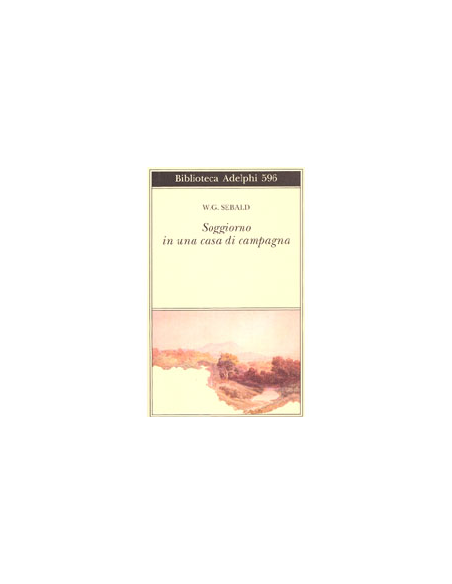
Nel 1966, in procinto di lasciare la Svizzera per Manchester, Sebald mette in valigia i libri di tre scrittori destinati a segnare per sempre la rotta dei suoi incessanti viaggi letterari. Per questo, più di trent’anni dopo, sente di dover rendere a Gottfried Keller, Johann Peter Hebel e Robert Walser un personale tributo, assecondando ancora una volta «quello strano disturbo del comportamento che costringe a trasformare tutti i sentimenti in parole scritte e che, pur mirando alla vita, riesce sempre con sorprendente precisione a mancare il centro». In realtà, nel seguire in queste «note marginali d’una certa ampiezza» le tracce dei suoi autori prediletti – cui negli anni si sono aggiunti Rousseau e Mörike –, Sebald indaga le derive compulsive della scrittura, che finiscono per rendere chi ne è colpito il più inguaribile tra i «malati di pensiero».
Ne riconosciamo gli effetti sul filosofo francese il quale, pur ravvisando «nell’uomo pensante un animale degenerato», arriva a prendere appunti persino sulle carte da gioco; su Walser, che conduce una silenziosa battaglia contro la folle grandiosità del suo tempo e compone in una grafia sempre più minuta, ai limiti del visibile, i leggendari «microgrammi»; e così su Keller, Hebel, Mörike, la cui arte assomiglia al tentativo di esorcizzare, quasi fosse una maledizione, «il nero garbuglio che minaccia di prendere il sopravvento». Vite consacrate alla letteratura, che Sebald tratteggia con la dolcezza di chi sente di condividere lo stesso implacabile destino, e con la lucidità di chi opera – come sembra fare nelle sue tele il pittore Jan Peter Tripp, cui è dedicato il saggio conclusivo – una «dissezione anatomica al cospetto della nera morte e della bianca eternità».