

- Solo online
- -5%
- Nuovo
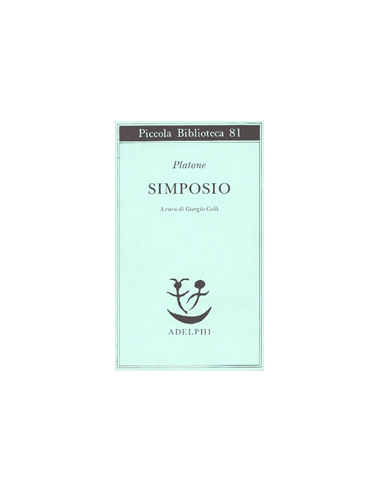
Simposio
A cura di Giorgio Colli
Our privacy policy
Our Privacy Policy explains our principles when it comes to the collection, processing, and storage of your information. This policy specifically explains how we employ cookies, as well as the options you have to control them.
-
1 What are cookies?
Cookies are small pieces of data, stored in text files that are stored on your computer or other device when websites are loaded in a browser. They are widely used to "remember" you and your preferences, either for a single visit or for multiple repeat visits
-
2 How we use cookies
We use cookies for a number of different purposes. Some cookies are necessary for technical reasons; some enable a personalized experience for both visitors and registered users; and some allow the display of advertising from selected third party networks.
-
3 Controlling Cookies
Visitors may wish to restrict the use of cookies or completely prevent them from being set. If you disable cookies, please be aware that some of the features of our service may not function correctly
-
4 Information We Collect
We only collect information about you if we have a reason to do so-for example, to provide our services, to communicate with you, or to make our services better.
We are committed to maintaining the trust and confidence of our website visitors. We do not collect, sell, rent or trade email lists or any data with other companies and businesses. Have a look at our Privacy Policy page to read detail information on when and why we collect your personal information, how we use it, the limited conditions under which we may disclose it to others and how we keep it secure.
We may change Cookies and Privacy policy from time to time. This policy is effective from 24th May 2018.
Le due forme di Afrodite, il mito dell’androgino, le origini dell’antichissimo desiderio «di fare, di due, uno» e così di «guarire la natura umana», «la morbidezza e «l’asprezza» dell’amore, la natura del desiderio: con articolazione sottilissima, attraverso le varie voci, Platone tocca tutti i punti sensibili dell’eros e infine affida a una vera iniziatrice ai «misteri d’amore», Diotima, il compito di schiuderne i segreti ultimi. E qui, come pure nell’ultima, trascinante apparizione di Alcibiade, diventano espliciti, forse più di altre volte in Platone, i riferimenti alla «sapienza» e all’«enigma». Anche per questo, dunque, Giorgio Colli è stato interprete profondamente congeniale di questo testo, in cui risuonano, limpidi e misteriosi, alcuni temi che sono stati centrali per la sua interpretazione del mondo greco.
- Autore
- Platone
- Editore
- Adelphi
- Voto