- Solo online
- -5%
- Nuovo
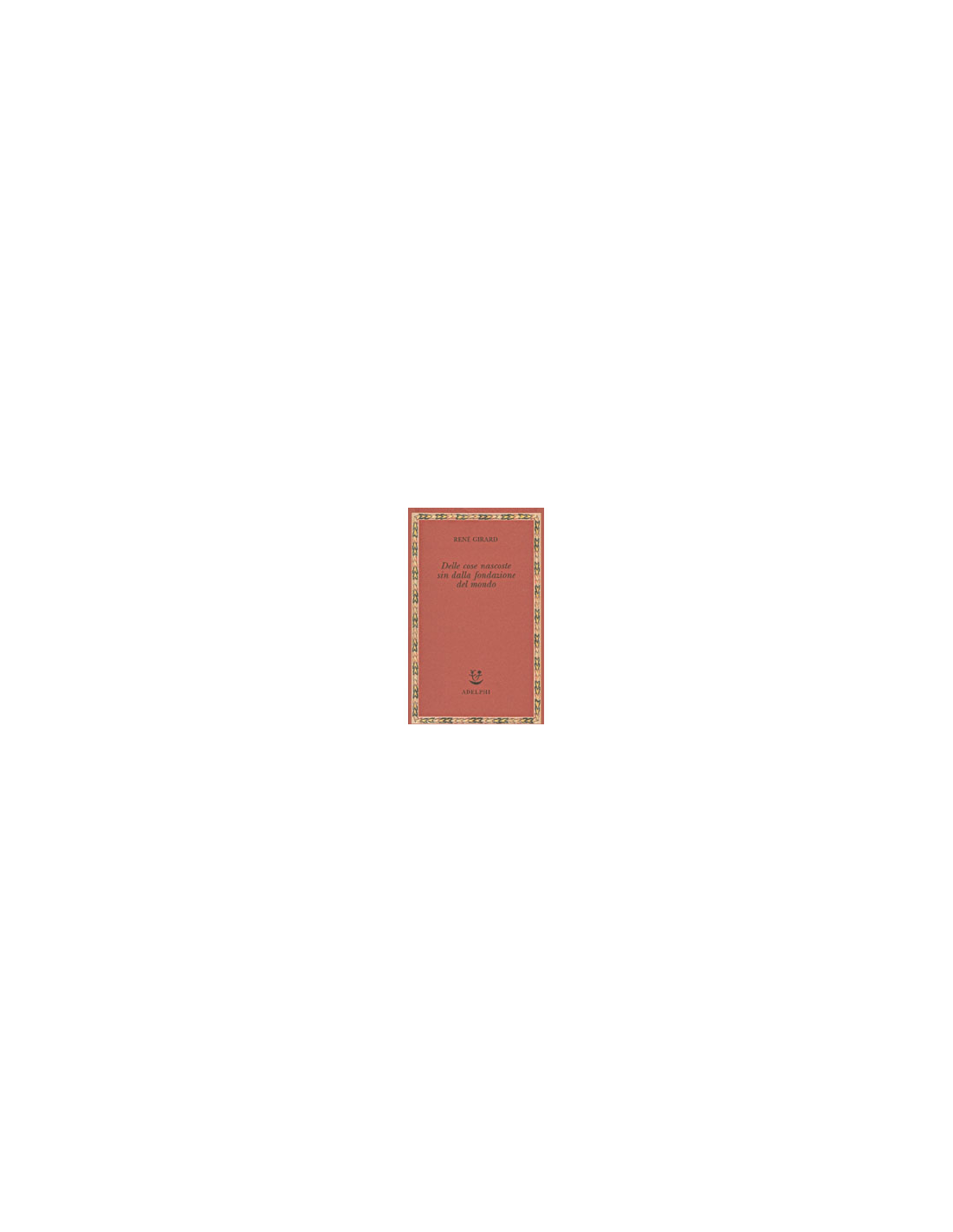
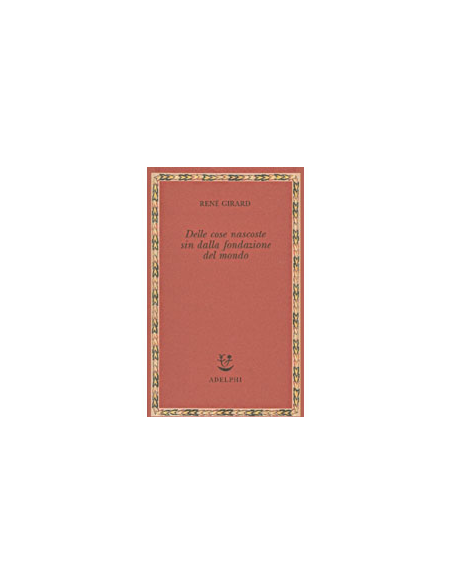
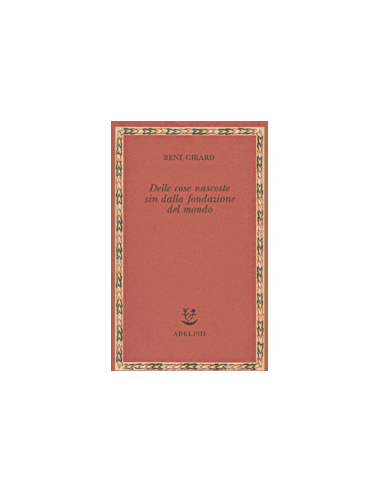
Delle Cose Nascoste sin dalla Fondazione del Mondo
Our privacy policy
Our Privacy Policy explains our principles when it comes to the collection, processing, and storage of your information. This policy specifically explains how we employ cookies, as well as the options you have to control them.
-
1 What are cookies?
Cookies are small pieces of data, stored in text files that are stored on your computer or other device when websites are loaded in a browser. They are widely used to "remember" you and your preferences, either for a single visit or for multiple repeat visits
-
2 How we use cookies
We use cookies for a number of different purposes. Some cookies are necessary for technical reasons; some enable a personalized experience for both visitors and registered users; and some allow the display of advertising from selected third party networks.
-
3 Controlling Cookies
Visitors may wish to restrict the use of cookies or completely prevent them from being set. If you disable cookies, please be aware that some of the features of our service may not function correctly
-
4 Information We Collect
We only collect information about you if we have a reason to do so-for example, to provide our services, to communicate with you, or to make our services better.
We are committed to maintaining the trust and confidence of our website visitors. We do not collect, sell, rent or trade email lists or any data with other companies and businesses. Have a look at our Privacy Policy page to read detail information on when and why we collect your personal information, how we use it, the limited conditions under which we may disclose it to others and how we keep it secure.
We may change Cookies and Privacy policy from time to time. This policy is effective from 24th May 2018.
E queste cose, come la «lettera rubata» di Poe, sono così nascoste proprio perché stanno dinanzi ai nostri occhi: nella Bibbia e nel Vangelo. Dopo aver indagato a lungo i testi dell’antichità classica e i più disparati materiali etnologici, Girard ha riconosciuto che il testo più difficile da leggere, per il sovrapporsi di innumerevoli letture precedenti, era appunto quello delle Scritture: l’eccessiva familiarità si svela essere innanzitutto il modo che il mondo ha scelto per difendersi da alcune verità tremende, quali in esse si annunciano.
Rovesciando ancora una volta le prospettive, Girard legge i Vangeli non più come una storia sacrificale, ma come la storia che dice la verità nascosta del sacrificio, che svela la costituzione del «meccanismo vittimario», del capro espiatorio, del linciaggio fondatore. Questa rivelazione sarebbe allora il più possente gesto antisacrificale di ogni tempo – e tutta la storia occidentale nascerebbe dal ripercuotersi nei secoli di quel gesto...
- Editore
- Adelphi
- Voto