
- Solo online
- -5%
- Nuovo
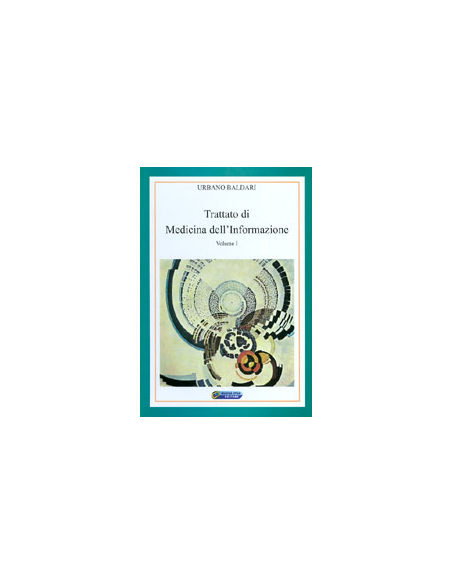
Trattato di Medicina dell'Informazione
Volume I
Our privacy policy
Our Privacy Policy explains our principles when it comes to the collection, processing, and storage of your information. This policy specifically explains how we employ cookies, as well as the options you have to control them.
-
1 What are cookies?
Cookies are small pieces of data, stored in text files that are stored on your computer or other device when websites are loaded in a browser. They are widely used to "remember" you and your preferences, either for a single visit or for multiple repeat visits
-
2 How we use cookies
We use cookies for a number of different purposes. Some cookies are necessary for technical reasons; some enable a personalized experience for both visitors and registered users; and some allow the display of advertising from selected third party networks.
-
3 Controlling Cookies
Visitors may wish to restrict the use of cookies or completely prevent them from being set. If you disable cookies, please be aware that some of the features of our service may not function correctly
-
4 Information We Collect
We only collect information about you if we have a reason to do so-for example, to provide our services, to communicate with you, or to make our services better.
We are committed to maintaining the trust and confidence of our website visitors. We do not collect, sell, rent or trade email lists or any data with other companies and businesses. Have a look at our Privacy Policy page to read detail information on when and why we collect your personal information, how we use it, the limited conditions under which we may disclose it to others and how we keep it secure.
We may change Cookies and Privacy policy from time to time. This policy is effective from 24th May 2018.
L’informatica è il sistema di comunicazione più complesso esistente in natura, ed è quello degli organismi viventi. Scopo del libro: spiegare, dimostrare e circostanziare con una grande quantità di voci bibliografiche tutto il complesso di operazioni che il corpo umano compie per mantenersi in vita.
Il primo volume, suddiviso in 3 parti, ha una valenza teorica: descrive la biofisica dei sistemi complessi, le vie di comunicazione utilizzate, l’utilizzo dell’omeopatia come informazione riparatrice sul “software” del corpo, le catene causali ideate dal dott. Schimmel ed il funzionamento delle apparecchiature diagnostiche utilizzate per misurare l’entità del flusso informatico (ET – elettrophisyological terminal point ed EAV – elettroagopuntura secondo Voll)
Il secondo volume racchiude la parte clinica: come si procede per misurare i flussi d’Informazione con le strumentazioni EAV ed ET integrate tra loro, i principali argomenti clinici affrontabili con questa disciplina, e inoltre una vasta casistica di pazienti visitati e trattati (64 casi clinici).
- Editore
- Nuova Ipsa
- Voto