- Solo online
- -5%
- Nuovo
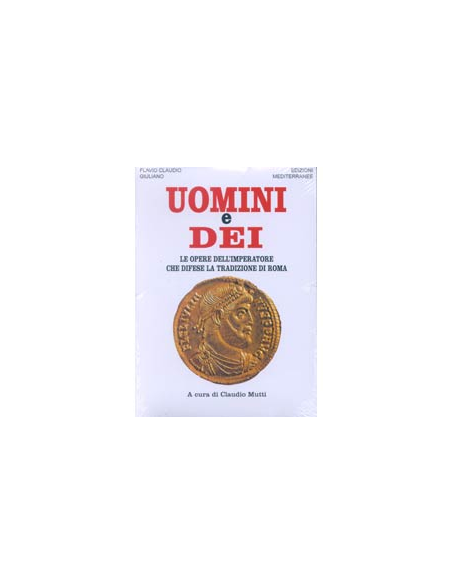
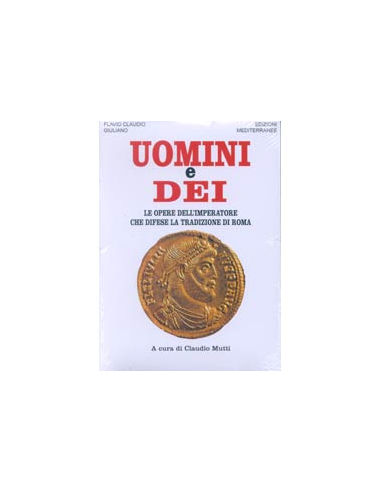
Uomini e Dei
le opere dell'imperatore che difese la tradizione di Roma
Our privacy policy
Our Privacy Policy explains our principles when it comes to the collection, processing, and storage of your information. This policy specifically explains how we employ cookies, as well as the options you have to control them.
-
1 What are cookies?
Cookies are small pieces of data, stored in text files that are stored on your computer or other device when websites are loaded in a browser. They are widely used to "remember" you and your preferences, either for a single visit or for multiple repeat visits
-
2 How we use cookies
We use cookies for a number of different purposes. Some cookies are necessary for technical reasons; some enable a personalized experience for both visitors and registered users; and some allow the display of advertising from selected third party networks.
-
3 Controlling Cookies
Visitors may wish to restrict the use of cookies or completely prevent them from being set. If you disable cookies, please be aware that some of the features of our service may not function correctly
-
4 Information We Collect
We only collect information about you if we have a reason to do so-for example, to provide our services, to communicate with you, or to make our services better.
We are committed to maintaining the trust and confidence of our website visitors. We do not collect, sell, rent or trade email lists or any data with other companies and businesses. Have a look at our Privacy Policy page to read detail information on when and why we collect your personal information, how we use it, the limited conditions under which we may disclose it to others and how we keep it secure.
We may change Cookies and Privacy policy from time to time. This policy is effective from 24th May 2018.
A questa posizione si ricollega la Circolare sui maestri galilei, un rescritto esplicativo del provvedimento legale con cui gli insegnanti cristiani sono stati messi davanti a un aut-aut: o rinunciare ad insegnare le opere degli autori antichi, di cui essi disprezzano la concezione religiosa, o continuare ad occuparsene dimostrando con l’esempio pratico di condividere la loro dottrina. Nel quadro del programma della restaurazione giulianea, l’Inno al Re Helios avrebbe dovuto costituire il testo dottrinale del quel ‘monoteismo solare’ che l’Imperatore, sovrano e pontefice massimo, intendeva contrapporre al cristianesimo, mentre l’Inno alla Madre degli dèi intraprendeva un’esegesi dei miti greci sulla base delle dottrine misteriche. D’altra parte, questi due Inni rappresentano entrambi un aspetto caratteristico dell’attività di Giuliano: il tentativo di tradurre nei termini della filosofia neoplatonica le dottrine dei misteri.
- Editore
- Mediterranee
- Voto